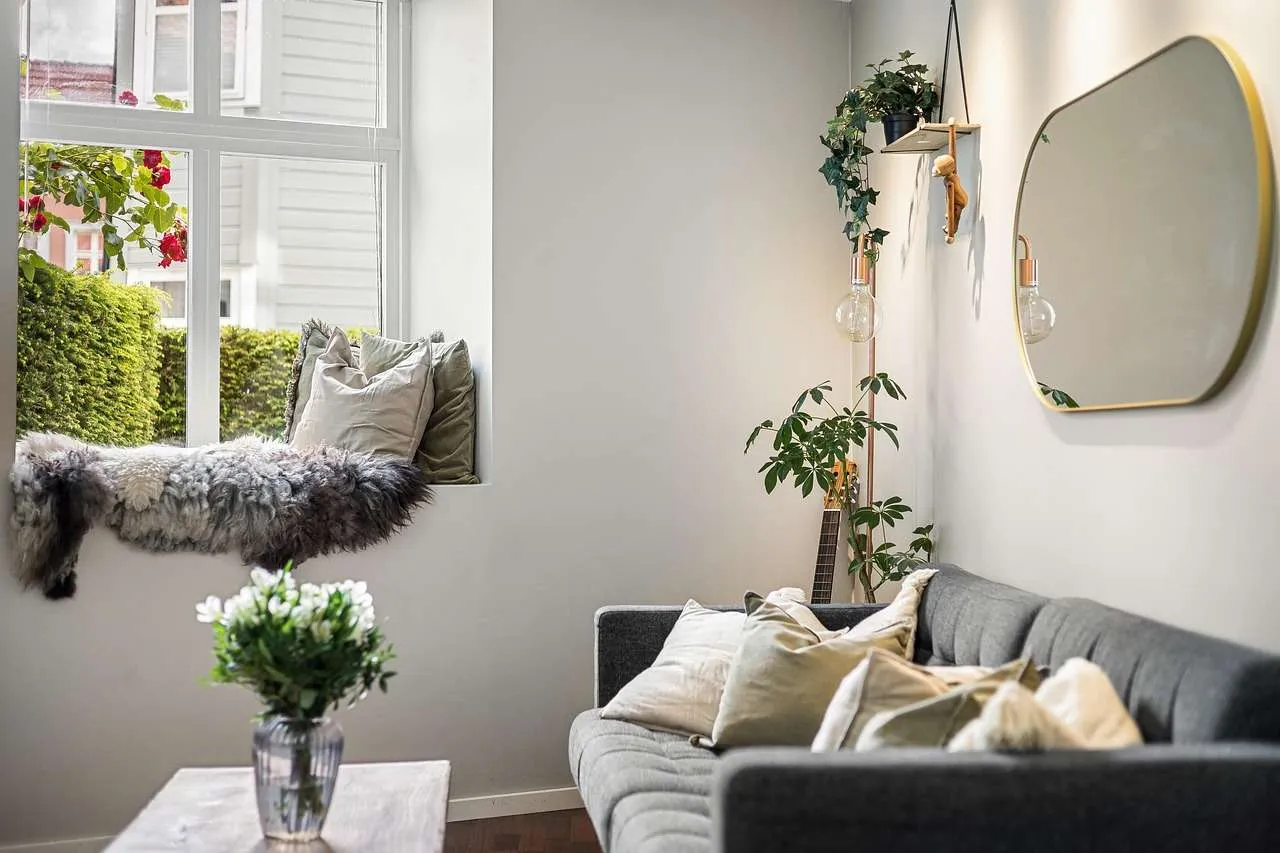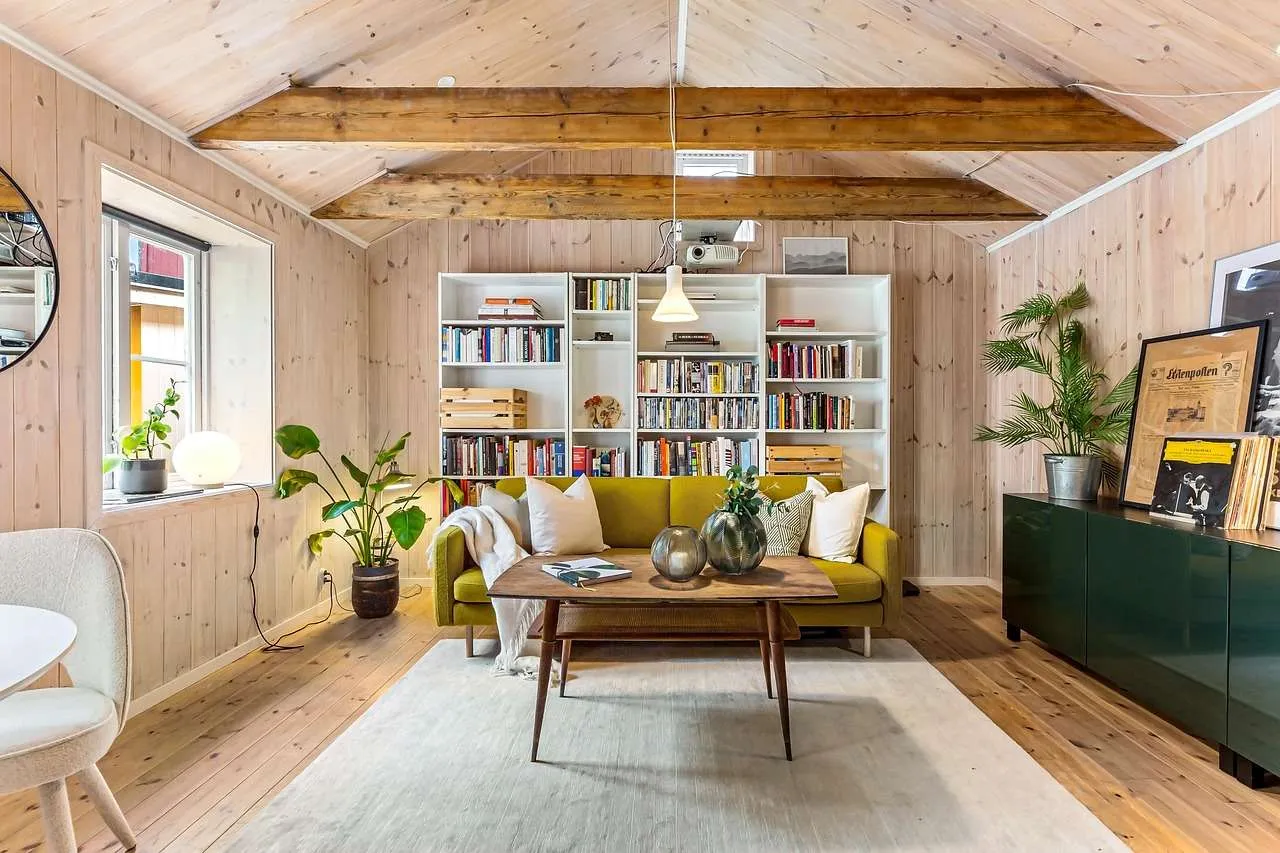
When you search for home window tinting near me, you’re looking for local options that balance performance, price, and trust. This guide helps you understand what window tinting can do for a home, how to evaluate installers in your area, and what questions to ask to ensure you get a result that lasts. By following best practices for expertise, authoritativeness, and trust, you can make a confident, well-supported choice.
What is Home Window Tinting?
Home window tinting refers to applying a thin film to interior or exterior glass to reduce glare, block UV rays, and improve comfort. Professional installation involves careful cleaning, precise film cutting, and a secure seal to prevent peeling. A reputable installer will assess your glass, measure accurately, and document the work with a written warranty.
Benefits of Home Window Tinting
- Glare reduction for rooms with bright sun or screens
- UV protection to prevent furniture fading and skin exposure
- Energy efficiency by reducing heat gain in summer and heat loss in winter
- Increased privacy without heavy drapes
- Added safety by holding shattered glass in case of impact
How to Find a Local Installer Near You
Start with a targeted search for home window tinting near me, then verify licensure, insurance, and manufacturer certifications. Read recent customer reviews, ask for project photos, and request multiple, written quotes. Confirm the installer will handle the full job from preparation to cleanup and provide a warranty. For EEAT, look for technicians with documented training and affiliations with recognized film brands.
Choosing the Right Film for Your Home
Film types vary in privacy, heat rejection, and price. The right choice depends on room orientation, climate, and budget. The table below compares common residential options.
| Film Type | Privacy | UV Rejection | Heat Rejection | Light Transmission | Durability | Typical Uses | Drawbacks |
|---|---|---|---|---|---|---|---|
| Dyed Film | Low to Medium | High | Moderate | High | Moderate | Budget tint, living rooms | Can fade and peel over time |
| Metalized Film | High | High | High | Low to Moderate | High | East-west rooms needing glare control | Possible screen interference |
| Ceramic Film | High | Very High | Very High | High | Very High | All-around performance, large panes | Higher cost |
| Nano-Ceramic Film | Medium to High | Very High | Very High | High | Very High | Premium homes, sunrooms | Costlier |
Cost, Warranty, and Maintenance
Prices vary by window size, film type, and local labor rates. A typical residential tint may cost 6 to 12 per square foot installed, with a common window range of 200 to 600 dollars per pane. Ceramic and nano-ceramic films are at the higher end. Reputable installers offer manufacturer-backed warranties often lasting 10 to 15 years on film and craftsmanship. To maximize longevity, avoid cleaning with ammonia-based products and follow installer care instructions after installation.
Legal Considerations and Safety
Some jurisdictions regulate front window tinting, reflectivity, or require a certain visible light transmission for compliance. Your installer should explain any local limits and ensure the tint complies with local laws, especially on first floor and driver-side windows. Insist on a professional installation that seals edges and avoids air pockets to maintain warranty and performance.
Questions to Ask Before You Hire
- Are you licensed and insured? Do you offer insurance coverage for damage during installation?
- What film brands do you install and what warranties accompany them?
- Can you provide recent customer references and before-after photos?
- Will you remove existing glazing film, test for leaks, and perform a full cleanup?
- How long will installation take and what preparation is required?
Maintaining the investment is about clean, non-abrasive cleaning and avoiding harsh chemicals. Periodic inspection helps catch edge peeling early and ensures a clean, uniform appearance across seasons.
Conclusion, by choosing a locally trusted installer, selecting the right film for your climate and privacy needs, and understanding cost and warranty, you can achieve lasting glare reduction, UV protection, energy efficiency, and enhanced comfort for your home. Verify licenses, review samples, and solidify a written warranty to protect your investment.