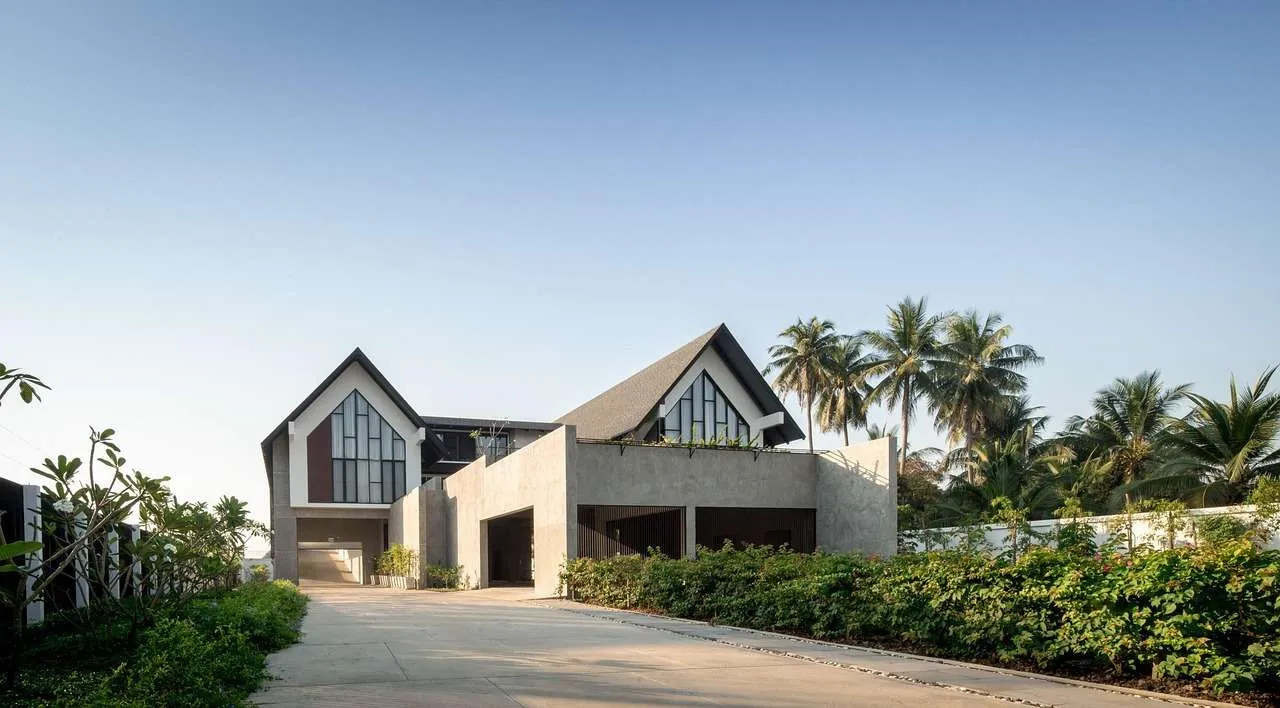
Repair of roofing is a critical service that protects homes from water damage, improves energy efficiency, and preserves property value. As an informed homeowner, you want accurate assessments, safe practices, and durable repairs. This guide delivers expert insights into when repairs are necessary, how they are performed, and how to choose a qualified contractor, aligning with EEAT principles of Expertise, Experience, Authority, and Trust.
Signs that a roof needs repair
Look for indicators such as recurring leaks after rain, missing or curled shingles, granules in gutters, buckling or sagging sections, damaged flashing around chimneys or vents, attic stains, and significant shingle wear. Early detection saves cost and prevents major damage.
DIY versus professional repair
Repair of roofing work is best handled by an experienced professional for leaks, structural issues, or extensive damage. While basic maintenance like clearing debris and cleaning gutters can be done safely by a handy homeowner, suspect areas should be inspected by a licensed roofer. Always verify licenses, permits, and warranties before work begins.
Repair methods and process
Shingle replacement
During shingle replacement, the damaged shingle is lifted, nails are removed, and a new shingle is installed with matching sealant and fasteners. The surrounding area is checked for damage to the underlayment, and flashing is inspected to ensure a watertight seal.
Flashing repair
Flashing around chimneys, vents, and roof penetrations must be intact. Damaged flashing is replaced or resealed to prevent leaks. Proper metal flashing directs water away from joints and prevents corrosion.
Leak patching and sealing
Leak patches provide a temporary fix while a more durable repair is scheduled. Use roof sealants or patches in combination with repairing the underlying cause to stop the leak and protect interior spaces.
Costs and scheduling
Repair costs vary with roof type, extent of damage, and regional labor rates. Small fixes like replacing a few shingles may cost a couple of hundred dollars, while significant repairs can run from roughly 500 to 1500 dollars or more. Always request itemized estimates, check for warranties, and consider the long term savings of a proper repair against frequent temporary fixes.
Choosing a roofing contractor
Hire a licensed, insured contractor with a track record of quality repairs. Check references, review online feedback, and confirm that the estimate includes materials, labor, permits, cleanup, and a workmanship warranty. Ask about safety programs for crews and the projected timeline to complete the work. A written contract with a clear payment schedule protects both parties.
Maintenance tips to extend roof life
Regular inspections, cleaning gutters, trimming overhanging branches, ensuring attic ventilation, and addressing issues promptly help extend the life of the roof. Consider seasonal checkups and professional inspections every few years to catch problems before they escalate.
Repair options at a glance
| Repair Type | What it fixes | Typical time | Estimated cost | Pros | Cons |
|---|---|---|---|---|---|
| Shingle replacement | Damaged or missing shingles | A few hours | 200-800 | Restores original appearance and protection | May not address underlying underlayment |
| Flashing repair | Leaks around joints and penetrations | Half to full day | 300-1200 | Prevents water intrusion and extends life | Can require coordination with chimney/vent work |
| Leak patching | Active leaks and pinpointed spots | Several hours | 150-600 | Quick relief | Temporary; underlying issues may persist |
| Roof coating or sealant | Surface protection and minor leaks | Same day | 200-700 | Budget-friendly; slows wear | Not a fix for structural damage |
| Structural repair | Structural damage to decking or rafters | Multiple days | 1000-5000 | Prevents collapse and long-term failure | Most costly and invasive |
Regular, professional maintenance combined with timely repairs preserves the roof, protects the home, and supports your property value. Always prioritize safety, quality materials, and a written warranty when addressing repair of roofing needs.
Conclusion, this article has summarized the key points: detect issues early, hire qualified professionals, compare repair options and costs, and maintain the roof through seasonal checks to maximize longevity and protection for your home.