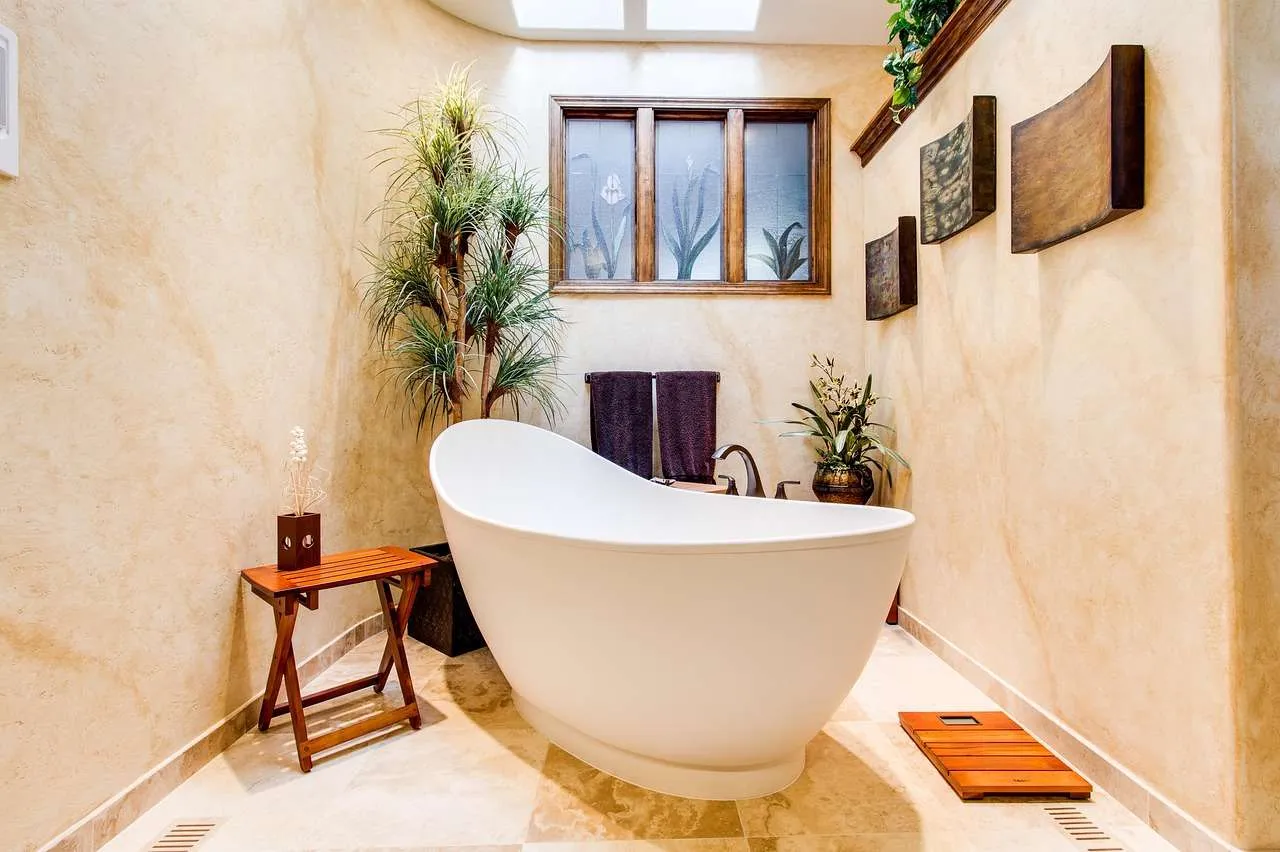
Small bathrooms challenge us to maximize function without sacrificing style. By focusing on layout, fixtures, and smart storage, you can create a space that feels larger and more relaxing.
Smart Design Principles for Small Bathrooms
Layout and traffic flow
In a tight bathroom, plan for clear paths and barrier-free space. Place the toilet and vanity along the longest wall, and consider a shower that doesn't interrupt sightlines. If possible, use a corner shower or a curved enclosure to reduce visual clutter and open up the center of the room.
Visual openness
Keep the floor visible by selecting wall-mounted vanities and frameless mirrors. Clear glass shower doors also help the eye travel uninterrupted across the room, making the space feel bigger.
Space-Saving Fixtures
Shower enclosure options
A frameless glass shower with a door that opens outward or a curved cubicle can feel more spacious than a bulky tub. Consider a neo-angle or corner shower to maximize floor area.
Compact vanities
Choose a wall-mounted or slim vanity with integrated storage. A shallow depth (about 16-18 inches) keeps the footprint small while preserving counter space for daily essentials.
Doors and entryways
Sliding or pocket doors save precious inches that a swing door would consume. If you must use a hinged door, opt for a door that tucks close to the wall or use a 24-inch model.
Storage Solutions
Efficient storage is essential in small bathrooms. Combine vertical and recessed storage to keep counters clear.
- Wall-mounted shelves above the toilet or vanity to hold toiletries.
- Recessed niches in the shower for shampoo and soap, reducing clutter.
- Medicine cabinets with mirrored fronts, which add storage and light diffusion.
- Over-the-door organizers or magnetic strips for small metal items.
Lighting and Color
Lighting dramatically impacts perceived space. Layer ambient, task, and accent lighting to avoid dark corners.
- Use multiple vertical light sources to minimize shadows.
- Opt for light-reflective paints and glossy tiles to bounce light around the room.
- Choose a neutral base palette with bright accents to keep the space feeling open.
Materials and Maintenance
Durable, low-maintenance materials save time and money in a compact bath. Favor porcelain, quartz, or solid surface countertops, and water-resistant laminates for vanities.
Slip-resistant flooring is essential in wet areas, while sealed grout and epoxy grouts make cleaning easier and prevent staining.
Budget-Friendly Ideas
Small renovations can be affordable with smart choices. Consider refinishing existing fixtures instead of complete replacements, or install peel-and-stick tiles for a quick refresh. Reclaimed wood accents and inexpensive chrome fixtures can elevate the look without a high price tag.
Comparison: Freestanding vs Built-in Vanities
| Vanity Type | Pros | Cons | Best for |
| Freestanding | Classic look, easy replacement | Often deeper, can block floor space | Medium to large small bathrooms |
| Floating | Appears airy, leaves floor visible | Requires sturdy mounting, possible heat issues | Narrow spaces, contemporary style |
| Corner/Slim | Maximizes corners, saves depth | Limited counter space | Very small bathrooms |
Choosing the right vanity is a balance between storage needs and the available depth. Pair with a wall mirror and built-in lighting to maximize perceived and actual space.
Conclusion, small bathroom ideas work best when you blend smart layout with efficient fixtures and organized storage. Prioritize wall-mounted elements, reflective surfaces, and a cohesive color palette to create a calm, functional space you’ll enjoy daily.